The One-In-One-Out Wardrobe: The Rule That Ends Re-Cluttering Forever
Every closet detox faces the same sequel: the re-clutter — the slow refill that schedules next year’s purge. The one-in-one-out rule is the sequel-killer: a permanent exchange rate between acquisition and exit. The detox was the event; this is the constitution.

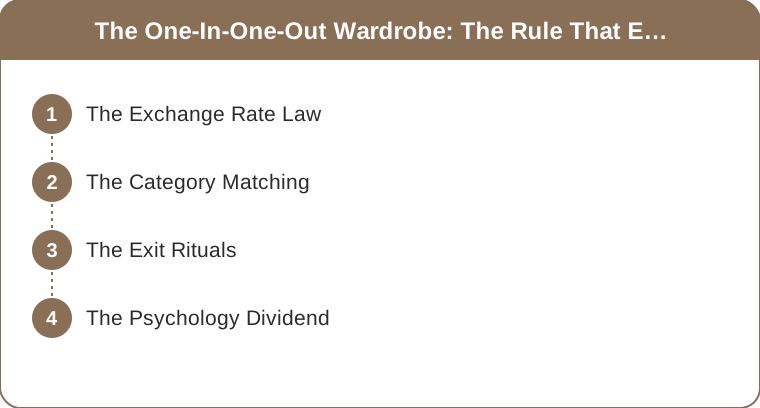
The Exchange Rate Law
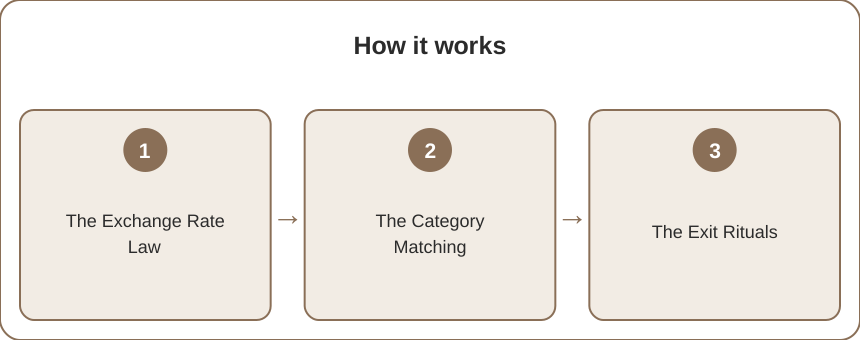
The rule’s mechanics: every entering item displaces one — same category, same day (the new midi exits an old dress; the sneakers retire a pair). The closet’s population freezes at post-detox levels forever, and — the elegant side effect — every purchase now asks ‘better than my current weakest?’ The bar rises with each trade.
The Category Matching
The rule’s precision clause: exchanges match by category (tops for tops, shoes for shoes) — the cross-category loophole (the new coat exits an old sock) is how constitutions die. Category-matched trades keep the wardrobe’s proportions as curated as the detox left them.

The Exit Rituals
The out-half’s logistics: the exit item leaves the HOUSE (the donate-bag purgatory rule — same-week departure), the resale-worthy get one listing cycle, and the sentimental exceptions get the memory-box amnesty (capped, honest, occasionally photographed instead of stored). The exit is the rule’s proof of life.
The Psychology Dividend
The rule’s quiet gifts: purchase deliberation rises (the mandatory exit makes impulse buys negotiate), the wardrobe’s average quality ratchets upward permanently (every trade is an upgrade by definition), and the annual detox shrinks to an afternoon audit. The one-in-one-out closet never needs rescuing again — it governs itself, one trade at a time.
One enters, one exits, categories matched, exits same-week. The detox cleaned the closet — the constitution keeps it clean, and the weakest hanger never survives a new arrival.
Keep Reading
This article is for general styling and informational purposes only. Trends, sizing, availability and pricing may vary by brand and season.